
From Learning Facts to Building Solutions: Why Project-based Learning Matters for Africa
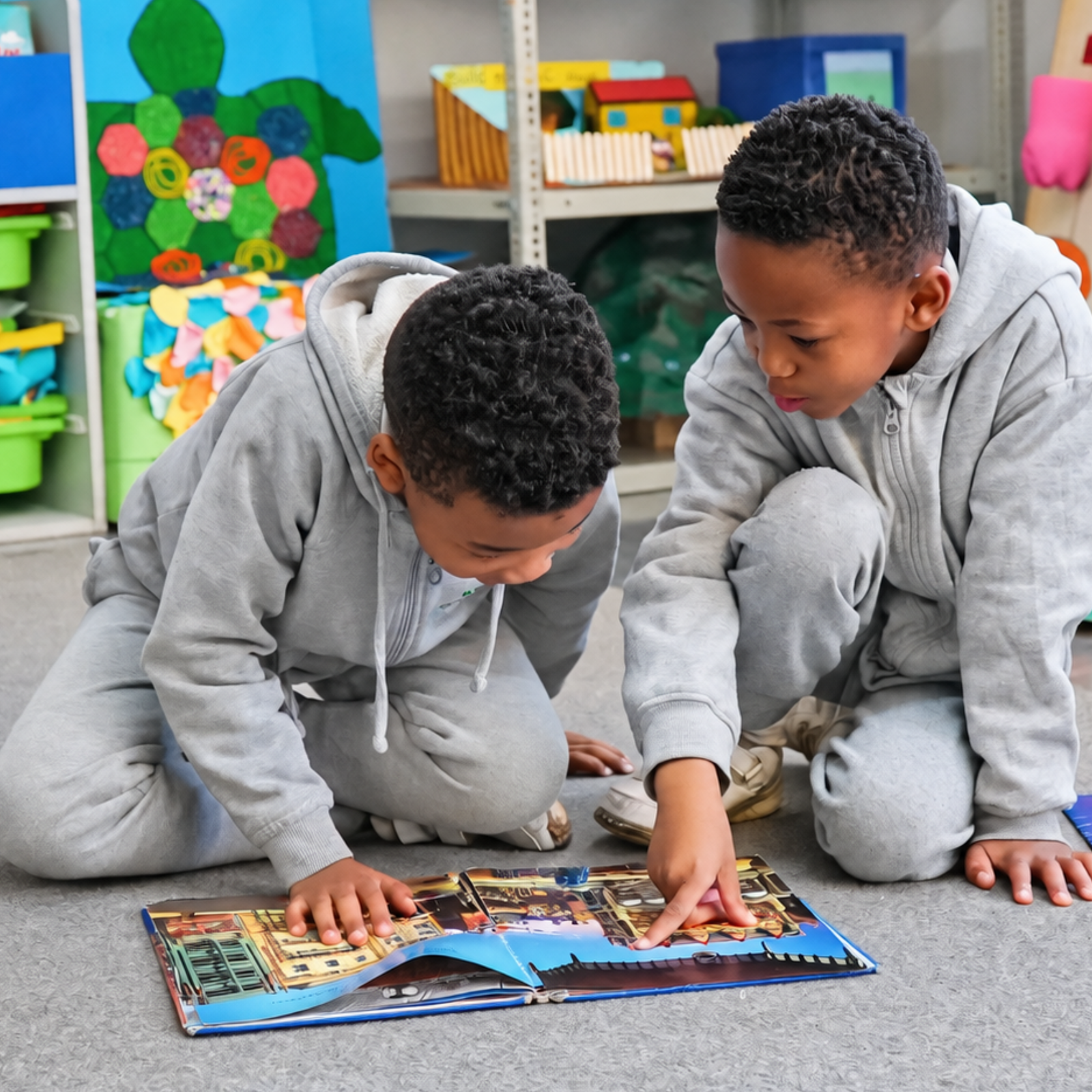
Project-based learning can help African learners connect academic knowledge with real-world challenges, developing the critical thinking, creativity and problem-solving skills needed in a changing world.
Are schools equipping African children to shape the future, or primarily teaching them to memorise facts and reproduce information?
Dr Sizwe Nxasana, co-founder of Future Nation Schools and CEO of Sifiso Learning Group, believes education must combine strong academic foundations with opportunities for learners to apply their knowledge to real-world problems. Project-based learning (PBL) offers one approach, enabling learners to investigate meaningful questions, explore challenges and develop solutions while learning the required curriculum.
The need to strengthen learning outcomes in South Africa remains significant. Statistics South Africa recorded unemployment of 60.9% among people aged 15 to 24 in the first quarter of 2026. Meanwhile, the 2021 Progress in International Reading Literacy Study found that 81% of South African Grade 4 learners could not read for meaning.
These challenges highlight the importance of foundational skills. Learners cannot solve complex problems effectively without the ability to understand information, interpret evidence, calculate accurately and communicate their reasoning.
PBL connects subject knowledge with practical application. Rather than treating projects as activities separate from academic work, learners use what they study in Mathematics, Science, languages and other subjects to investigate questions, test ideas and deepen their understanding.
Research suggests that this approach can support academic achievement. A 2023 meta-analysis of 66 studies, published in Frontiers in Psychology, found that project-based learning improved learning outcomes compared with conventional teaching, with particularly strong benefits for academic achievement. The researchers also identified positive effects on learners’ attitudes and thinking skills.
PBL can begin in the early years of schooling. When young learners design and test their own games, for example, they can practise counting, addition, patterns and measurement while developing reading and communication skills. As they progress, projects can address more complex issues, such as water conservation, renewable energy, waste management and climate change.
A project on water shortages, for instance, may require learners to apply scientific principles, analyse data, calculate consumption and communicate recommendations. Through this process, they learn to consider evidence, evaluate possible solutions and refine their ideas when something does not work.
These experiences can also develop collaboration, perseverance and the ability to navigate uncertainty. Teachers remain essential, guiding investigations, explaining difficult concepts and ensuring that practical projects reinforce curriculum requirements rather than replace essential subject teaching.
The approach is particularly relevant as the skills required in the workplace continue to change. The World Economic Forum’s Future of Jobs Report 2025 estimates that 39% of workers’ core skills will change by 2030. Creative thinking, resilience, flexibility and technological literacy are among the capabilities expected to become increasingly important.
For African countries, these capabilities have implications beyond employment. Communities face challenges that require informed decisions, local innovation and solutions suited to their circumstances. Learners who can combine academic knowledge with critical thinking and practical application can contribute to addressing these challenges.
Ultimately, project-based learning is not about choosing practical activities over academic rigour. It is about ensuring that learners understand what they study, why it matters and how to use it.
By connecting learning with real-world problems, schools can help young people build the knowledge and confidence to navigate change, develop ideas and contribute to solutions that shape Africa’s future.
Contact the Author
Want to reach out to the author?
Login to contact author